Проведение выездных мероприятий in 2024: what's changed and what works
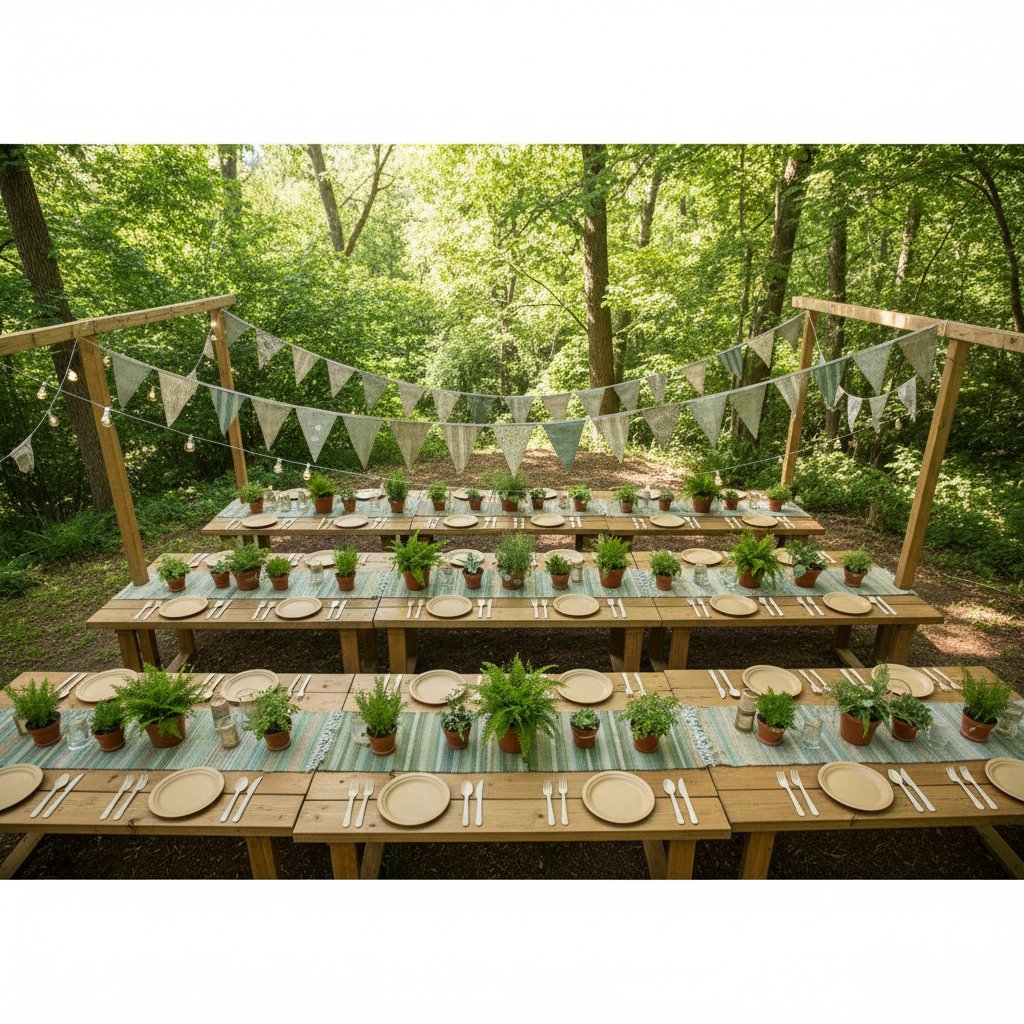
Corporate retreats and off-site events have bounced back with a vengeance after the pandemic years, but they look nothing like they did in 2019. The playbook has been completely rewritten. Teams are pickier about where they go, what they do, and why they're gathering in the first place. Remote work normalized staying home, which means getting people to leave their houses for a company event now requires serious justification.
After organizing and attending dozens of off-site gatherings this past year, I've noticed distinct patterns in what actually moves the needle versus what falls flat. Here's what's genuinely working right now.
1. Hybrid Attendance Is Non-Negotiable
About 30-40% of event attendees now join remotely for at least part of multi-day off-sites, even when they could technically attend in person. Fighting this trend is pointless. The smart move? Design your agenda with dual audiences in mind from day one, not as an afterthought.
This means investing in proper AV equipment—we're talking multiple camera angles, professional microphones, and a dedicated tech person managing the stream. One company I worked with spent $8,000 on equipment for a three-day retreat with 60 people. Sounds expensive until you realize they saved roughly $15,000 on flights and accommodation for remote participants. The equipment pays for itself after two events.
The trick is creating moments that work for both groups. Breakout sessions with mixed in-person and remote teams fail spectacularly about 80% of the time. Instead, alternate between full-group sessions (easy to broadcast) and purely in-person activities that remote folks can skip without missing critical content.
2. Venues Are Selling Flexibility, Not Just Square Footage
Cancellation policies have become the new battleground. Standard contracts used to lock you in 90 days out with minimal refunds. Now? Venues offering 30-day cancellation windows with 75% refunds are booking solid while their competitors scramble.
I've watched event planners choose a slightly more expensive venue specifically because they allow last-minute headcount changes without penalty fees. When your RSVP list might swing by 20 people in the final week (totally normal in 2024), that flexibility is worth paying an extra $50 per person.
The best venues have also ditched rigid room setups. You'll find modular furniture that transitions from theater-style to roundtables in 15 minutes, outdoor spaces with weatherproof power outlets, and breakout areas that don't require booking six months in advance.
3. Wellness Components Aren't Optional Anymore
Slapping a yoga session onto day two doesn't cut it. Participants expect wellness woven throughout the event—think standing desk options during work sessions, actual breaks between agenda items, and food that doesn't induce a 2pm coma.
One tech company ditched their traditional dinner-and-drinks evening for a guided forest bathing experience followed by a casual dinner. Attendance was 95% compared to 60-70% for previous evening socials. People are genuinely tired of pretending to enjoy forced networking over mediocre wine.
The wellness angle extends to scheduling too. Packing 9am to 7pm agendas is out. Events that end by 4pm and give people actual downtime see better engagement during the sessions that do happen. Quality over quantity isn't just a slogan anymore—it's what separates memorable events from endurance tests.
4. Activities Need Clear Outcomes Beyond "Team Building"
Escape rooms and trust falls have been replaced by activities with tangible deliverables. Think strategy workshops that produce actual roadmaps, design sprints that solve real problems, or skill-sharing sessions where team members teach each other concrete abilities.
A marketing team I know spent half a day at their off-site having each person teach a 20-minute masterclass on their specialty. The content manager taught SEO basics, the designer covered Figma shortcuts, the analyst explained cohort analysis. Six months later, people still reference those sessions. Compare that to the forgettable ropes course from the previous year.
Even purely social activities work better with structure. A cooking class where teams prepare an actual meal together beats a generic "fun activity" every time because there's a clear goal and shared accomplishment.
5. Sustainability Credentials Actually Matter Now
Younger employees especially will judge your event choices through an environmental lens. Venues promoting their green certifications, local sourcing, and carbon offset programs are winning business they would've lost five years ago.
This goes beyond marketing fluff. Event organizers are choosing train-accessible locations over fly-in destinations, even when flights are cheaper. They're eliminating single-use plastics, partnering with local caterers instead of chain services, and actually measuring the carbon footprint of their gatherings.
One nonprofit calculated that switching from a coastal resort to a regional conference center reduced their event's carbon emissions by 60% and saved $23,000. They publicized both numbers internally, turning a logistical decision into a values statement that resonated with their team.
6. Post-Event Follow-Through Determines Long-Term Impact
The event doesn't end when people leave. The most successful off-sites I've seen include structured follow-up within 72 hours—not just a "thanks for coming" email, but concrete next steps, documented decisions, and assigned action items.
Create a shared digital space before the event even starts. Load it with the agenda, participant bios, and relevant background materials. During the event, use it as a living document where people can add notes, photos, and ideas in real-time. After the event, it becomes your single source of truth for what actually happened and what comes next.
Companies that nail this see their off-site momentum carry forward for months. Those that skip it watch their carefully planned event fade into "remember when we did that thing" territory within two weeks.
The off-site events that succeed in 2024 share a common thread: they respect people's time, align with their values, and produce outcomes worth the investment. Everything else is just an expensive day out of the office.