The real cost of Проведение выездных мероприятий: hidden expenses revealed
The $15,000 Surprise Nobody Warned You About
Picture this: You've planned the perfect corporate retreat. Mountain views, team-building activities, catered meals. Your budget spreadsheet looks pristine. Then the invoices start rolling in, and suddenly you're $15,000 over budget. Sound familiar?
Last year, I watched a mid-sized tech company blow through their entire quarterly events budget on a single three-day offsite. The culprit wasn't the venue or the catering—it was the avalanche of "minor" expenses nobody thought to track. Welcome to the murky world of offsite event planning, where the real costs hide in plain sight.
Why Your Budget Is Already Wrong
Most companies budget for the obvious stuff: venue rental, food, maybe transportation. But here's the kicker—those line items typically represent only 60-70% of your actual spend. The remaining 30-40% bleeds out through a thousand paper cuts.
According to a 2023 survey of 200 event planners by EventMB, 78% admitted their offsite events exceeded initial budgets by at least 25%. That's not a rounding error. That's a systemic blind spot.
The Hidden Money Pits
Equipment Rental (And the Gear You Didn't Know You Needed)
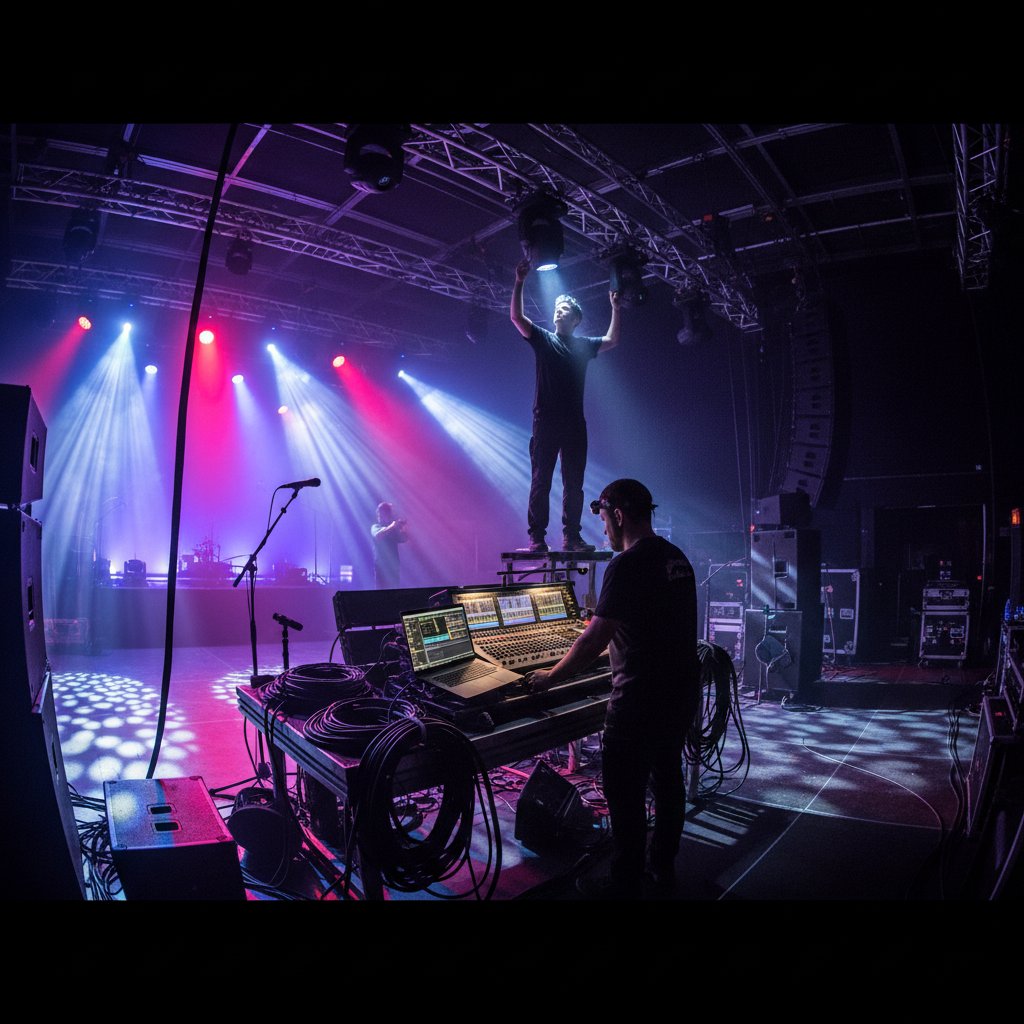
That conference room at the mountain lodge looks gorgeous in photos. What they don't mention? The Wi-Fi barely supports ten devices, there's no projector, and the acoustics turn every speaker into Charlie Brown's teacher.
Suddenly you're renting:
- Professional AV equipment: $800-2,500 per day
- Mobile hotspots and signal boosters: $150-400
- Microphones, speakers, lighting: $500-1,200
- Backup generators (yes, really): $300-600
One event coordinator told me she once spent $3,200 on equipment rentals for a venue that advertised itself as "fully equipped." The fine print? "Fully equipped" meant tables and chairs.
Transportation: The Logistical Nightmare
You booked shuttle buses. Great. Did you account for the driver who needs accommodation overnight? The fuel surcharge? The second bus you'll need because three people have mobility issues and require accessible transport?
Real numbers from a 50-person retreat I consulted on: Initial transportation quote was $1,800. Actual cost after accessibility requirements, luggage trailers, and schedule changes? $4,300. The difference could've paid for an entire additional day of programming.
The "While We're At It" Syndrome
This is where budgets go to die. You're already spending money on an offsite, so stakeholders start adding "small" requests:
"Can we get branded swag bags?" ($35 per person × 50 = $1,750)
"Let's hire a photographer to capture the magic." ($800-1,500 for the day)
"We should do a wine tasting team-builder." ($45-75 per person)
Each request sounds reasonable in isolation. Together, they're a budget apocalypse.
Insurance and Liability
Here's something nobody talks about until it's too late: event insurance. Outdoor activities? You need it. Serving alcohol? Definitely need it. International attendees? Better believe you need it.
Event liability insurance typically runs $500-2,000 depending on activities and headcount. Cancel for any reason coverage? Add another $300-800. These aren't optional expenses—they're the difference between a manageable crisis and a career-ending lawsuit.
The Invisible Labor Costs
Your internal team spent 120 hours planning this event. At an average salary of $35/hour, that's $4,200 in opportunity cost that never appears on the events budget. Finance might not care, but your department's productivity metrics certainly will.
Then there's the on-site coordination. Someone needs to handle the inevitable disasters: dietary restrictions that weren't communicated, room assignments that need last-minute shuffling, the keynote speaker whose flight got cancelled. That "someone" is probably a salaried employee working 14-hour days who won't see overtime pay but will definitely see burnout.
What The Pros Actually Do
I spoke with Marina Chen, who's coordinated over 200 corporate offsites in the past decade. Her advice? "Add 35% to whatever number you think is final. Not as a contingency fund—as your actual budget. If you come in under, you're a hero. If you hit it, you're realistic."
She also recommends the "three-quote rule" for everything: "Never accept the first vendor quote. Get three, then negotiate. I've seen companies save $8,000 on a single event just by shopping around for transportation."
The Real Numbers
What Actually Breaks The Bank:
- Venue and accommodation: 40-45% of budget
- Food and beverage: 20-25%
- Transportation: 10-15%
- Hidden costs (equipment, insurance, labor, contingencies): 25-35%
- Buffer zone you should actually have: 15-20% above your "final" number
For a 50-person, two-day offsite, you're realistically looking at $35,000-55,000 all-in. Anyone quoting you $25,000 is either leaving stuff out or setting you up for sticker shock.
The Takeaway You Can Actually Use
Stop pretending you can predict every expense. You can't. Instead, build your budget with brutal honesty: assume things will cost more, take longer, and require more resources than you think. Then add padding for the stuff you haven't even thought of yet.
The companies that nail offsite events aren't the ones with the biggest budgets. They're the ones who stopped lying to themselves about what things actually cost.